The NIH Reform Debate and How Smarter Tools Can Help Science Move Faster
The debate over reforming the National Institutes of Health is gaining urgency, we have some ideas

National Institute of Health Building 10
Writing on STATNews.com, the Good Science Project’s Stuart Buck outlines how administrative waste, irreproducible studies, and a risk-averse peer review system hold back progress. These challenges don’t just affect researchers, they also slow the pace of medical breakthroughs. At Siensmetrica, we believe reform is essential, but so is giving scientists better tools to navigate today’s overwhelming research landscape.
The NIH holds an enormous role in advancing medical science, but as Stuart Buck notes, much of that potential is weighed down by inefficiency and poor incentives. Three challenges stand out:
- Administrative waste: Researchers often spend close to half their time on compliance paperwork instead of science. That is wasted time and money.
- The reproducibility crisis: Studies are too often published without strong validation. Entire fields can be built on findings that don’t hold up.
- Peer review bias: Innovative work is often overlooked because the system favors “safe” projects with predictable outcomes.
These problems don’t just affect researchers, they also slow progress on medical advances that cost lives every day.
Attacking the Issue From the Ground
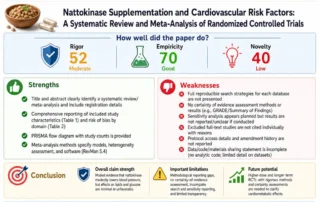
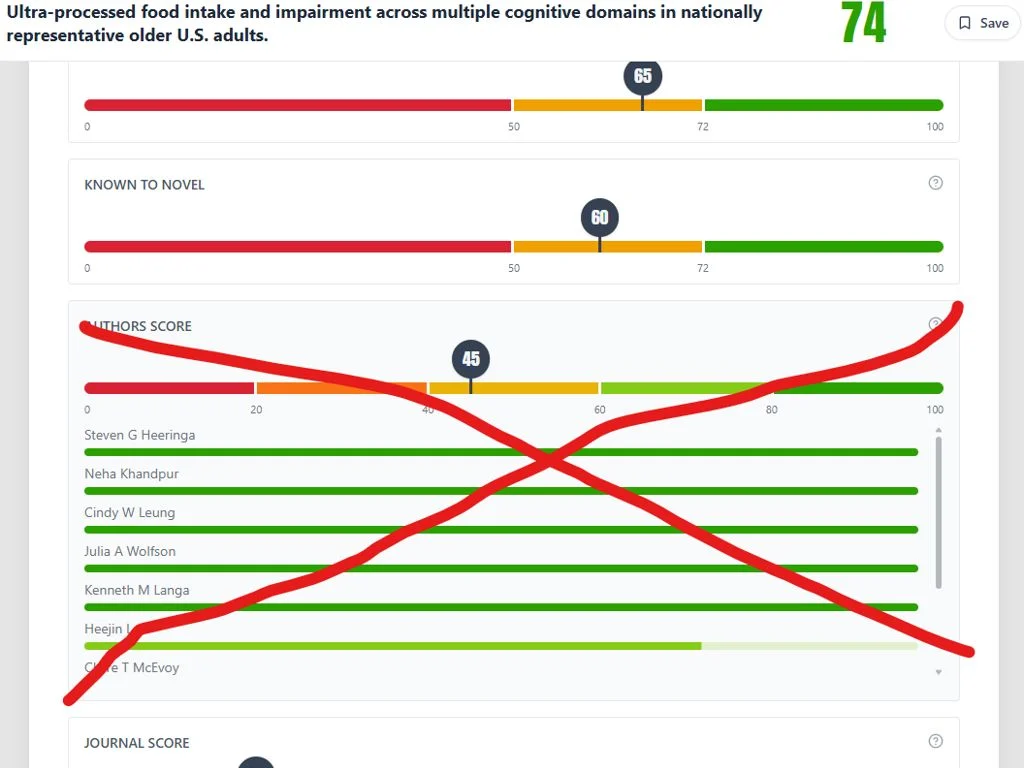
At Siensmetrica, we see this from the ground level. Scientists struggle to find reliable, relevant studies in a sea of questionable work. Our Tessa platform helps address this by scoring research across multiple dimensions: peer review quality, journal impact, author h-index, study novelty, reproducibility, as well as many more. This gives researchers a way to filter massive amounts of literature quickly and focus on the studies that are truly trustworthy.
In practice, this matters a great deal. When the volume of low-quality research grows, the best studies get buried. Researchers spend more time sifting through noise, which drains time and funding. Both are limited, and both are critical for advancing science.
Reforms like those Buck suggests—reducing bureaucracy, funding replication, and rethinking peer review—are a strong step toward fixing NIH’s structural problems. But tools outside government have a role too. Platforms like Tessa can help the research community cut through the clutter, reduce wasted effort, and accelerate discovery.
The future of science depends on both institutional reform and better tools for researchers. NIH reforms may clear some of the structural roadblocks. In the meantime, we can make progress by equipping scientists with better ways to navigate the research landscape.
Share This →
About the Author: Marc Toth

Recent Posts