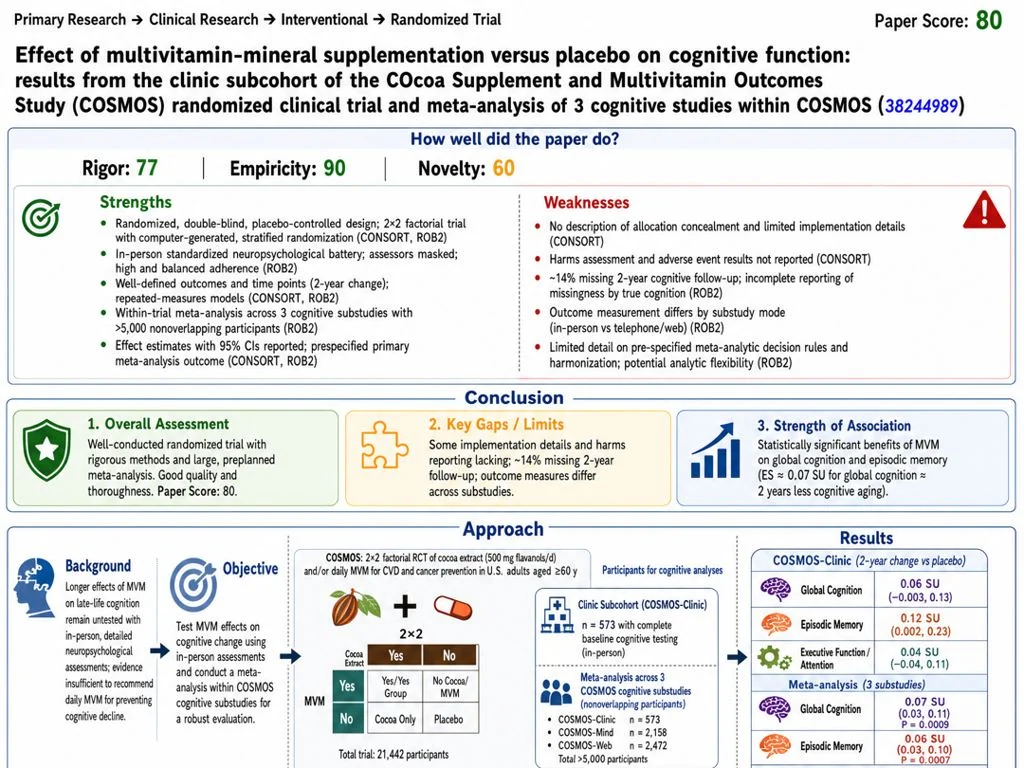
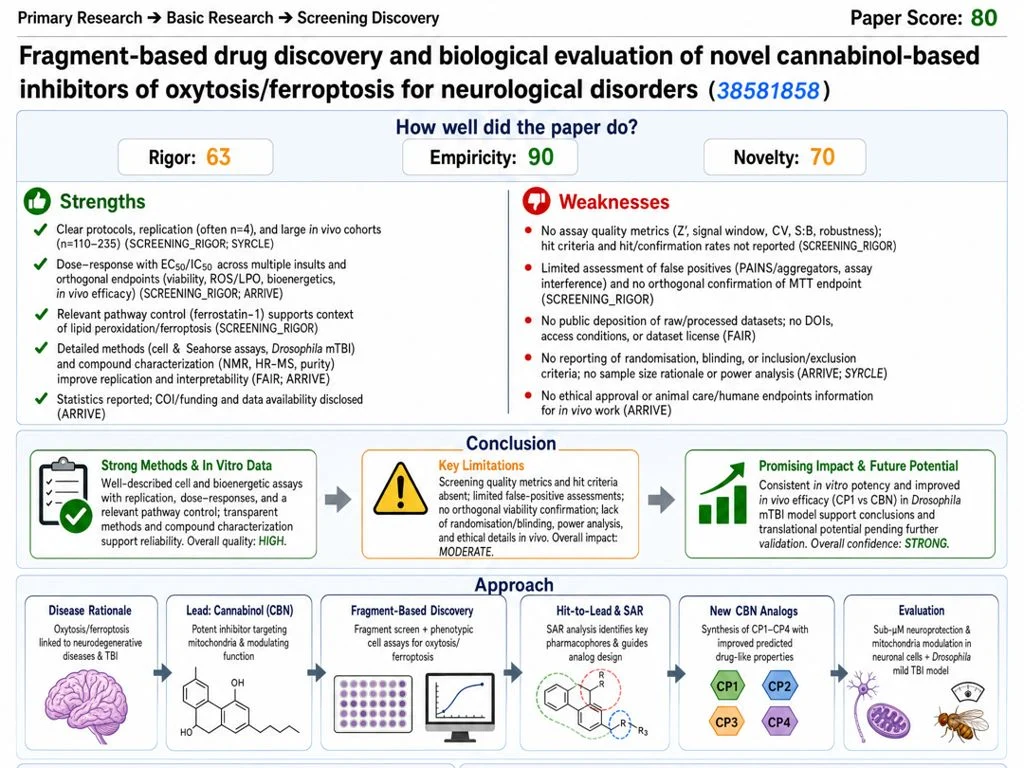
An Antidote for Misinformation: How AI Exposes the Lies Behind Viral “Science”

No, sunscreen doesn’t cause cancer. You should use it.
You’ve probably seen these posts on X, LinkedIn, or Facebook. Someone claiming to be an “expert” or whistleblower insists that a common everyday product is secretly making you sick. They drop a few alarming numbers, point to a real scientific study, and rely on a simple trick: hoping you’ll take their word for it because the original paper looks too complicated to read.
Most of us don’t have the time or training to dig through 20 pages of dense scientific jargon. As a result, people accept these wild claims as facts. That’s how single posts end up with millions of views, thousands of shares, and dangerous health trends built on cherry-picked data.
AI often gets a bad rap for making things up or spreading fake news. But when it’s built with strict scientific rules, AI can actually be our best defense against fake science. Here’s how our AI tool, Tessa, exposed two viral posts claiming sunscreen causes skin cancer.
The Viral Claims: “Sunscreen is Poison!”
Recently, a wave of social media posts started targeting sunscreen, claiming it’s a dangerous scam that causes skin cancer and blocks essential Vitamin D. Two specific posts blew up:
- The “Chemicals in the Bloodstream” Alarm: A post with over a million views cited a 2020 clinical study, claiming sunscreen active ingredients soak into your blood in under 24 hours at levels up to 500 times above FDA safety limits. The post argued that these chemicals act as hormone disruptors that cause skin cancer.
- The “300% Cancer Surge” Claim: Another viral post cited a massive study of over 470,000 people, claiming it proved sunscreen users had a 292% higher risk of melanoma and a 140% higher risk of basal cell carcinoma.
To an average reader, these posts sound totally legit. They cite famous medical journals and huge studies. But what did the actual scientific papers say?
What Tessa Found: Solid Science, Terrible Interpretation
We ran both papers through Tessa, our AI system built on T.E.S. (Transparency, Explainability, and Significance).
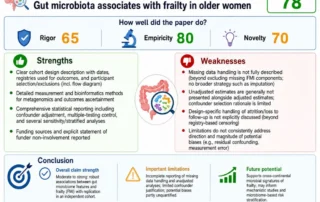
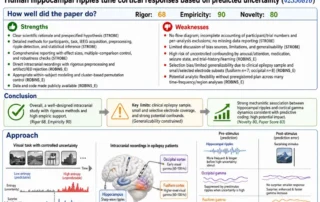
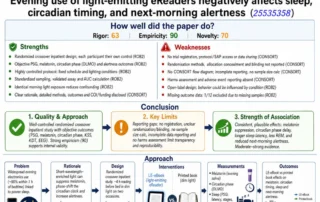
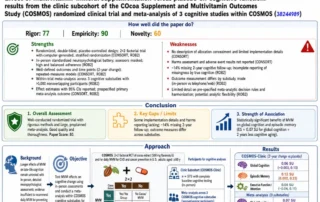
Tessa doesn’t just skim a paper. It looks at hundreds of data points to create a trustworthiness score (TScore) from 0 to 100. Here’s how these papers scored:
- The Blood Absorption Study: Received a TScore of 82 (Green), showing it was a solid, well-run clinical trial.
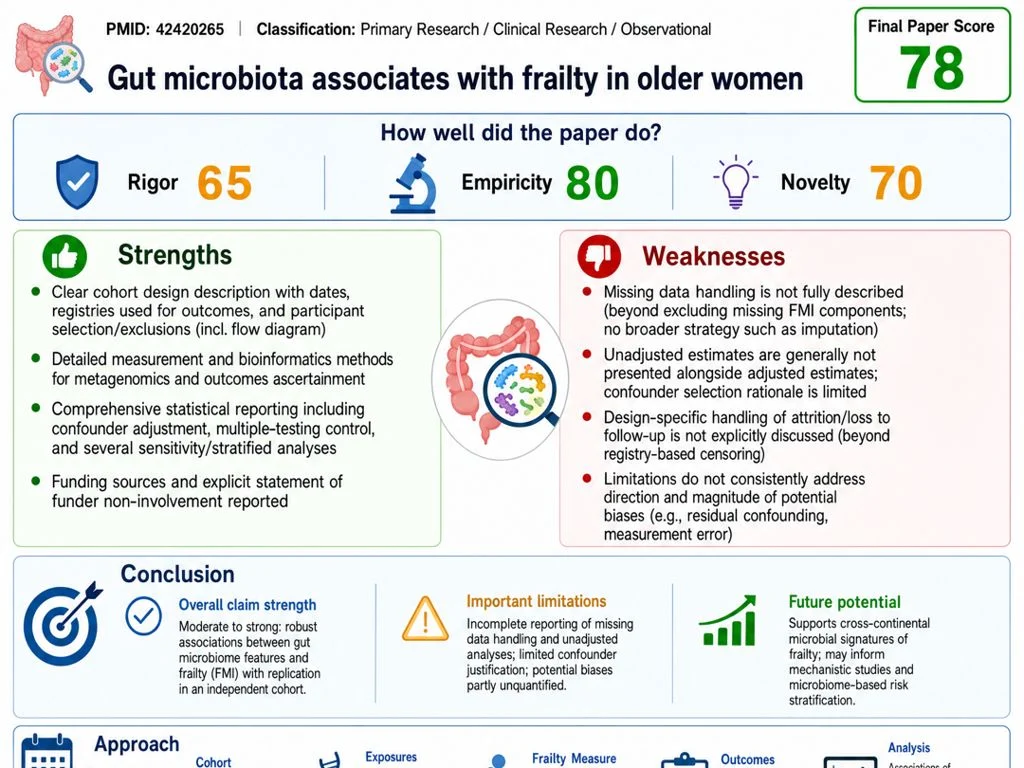
- The UK Skin Cancer Study: Received a TScore of 72 (Green), showing it was a strong, well-designed observational study.
Both papers were actually good, reliable science. So why were those viral social media posts so dangerously wrong? Because the influencers cherry-picked isolated statistics and made up wild conclusions that the researchers never actually said.
Unpacking the Lies
Using Tessa’s deep-dive analysis, we stripped both studies down to their core facts to uncover the truth.
Case 1: “Absorbed in Blood” Doesn’t Mean “Toxic”
- The Claim: Active ingredients absorb into your blood and act as toxins that give you cancer.
- What the Science Found: The study tested 6 ingredients and found that blood levels did go above the FDA’s 0.5 ng/mL threshold after application.
- The Plain Truth: Just because a chemical enters the bloodstream doesn’t mean it’s harmful. The FDA set that 0.5 threshold as a trigger to do more safety testing, not as a toxic limit. In fact, the study authors and the FDA specifically noted that people should NOT stop using sunscreen, because protecting your skin from UV rays is crucial.
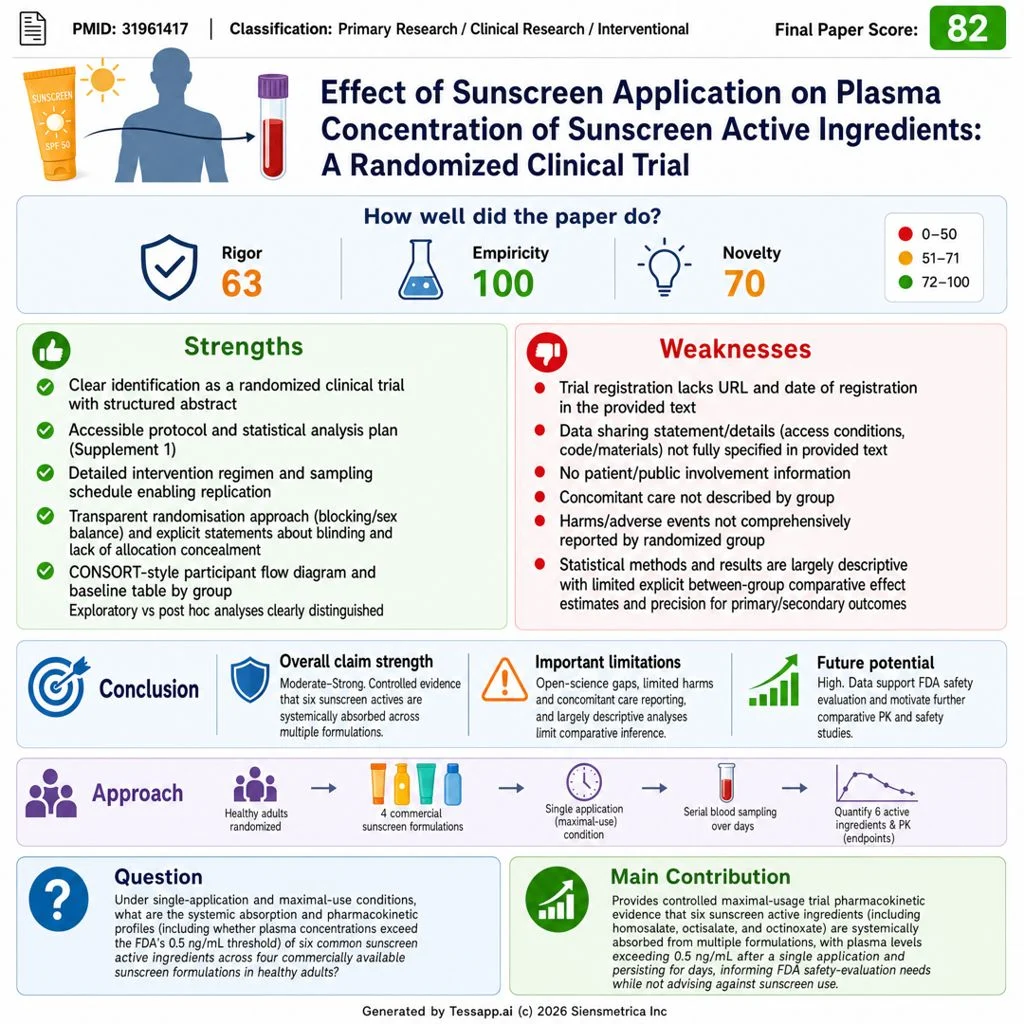
Effect of Sunscreen Application on Plasma Concentration of Sunscreen Active Ingredients: A Randomized Clinical Trial.
Case 2: The “Sunscreen Paradox”
- The Claim: Using sunscreen dramatically raises your chances of getting skin cancer.
- What the Science Found: Researchers studied how DNA repair genes work together with lifestyle habits like using sunlamps or getting sunburns as a kid.
- The Plain Truth: While the raw numbers showed that frequent sunscreen users had higher cancer rates, the researchers never said sunscreen causes cancer. Instead, they explained what scientists call the “Sunscreen Paradox”:
- Who wears sunscreen? People with pale skin who burn easily, or people who already had skin cancer in the past, report using sunscreen far more often.
- A False Sense of Security: Many people put on sunscreen and then stay out in the blazing sun for hours longer than they should, or they don’t put on enough.
- What the authors recommended: The researchers urged people to reapply sunscreen frequently and seek shade, not dump their sunscreen in the trash.
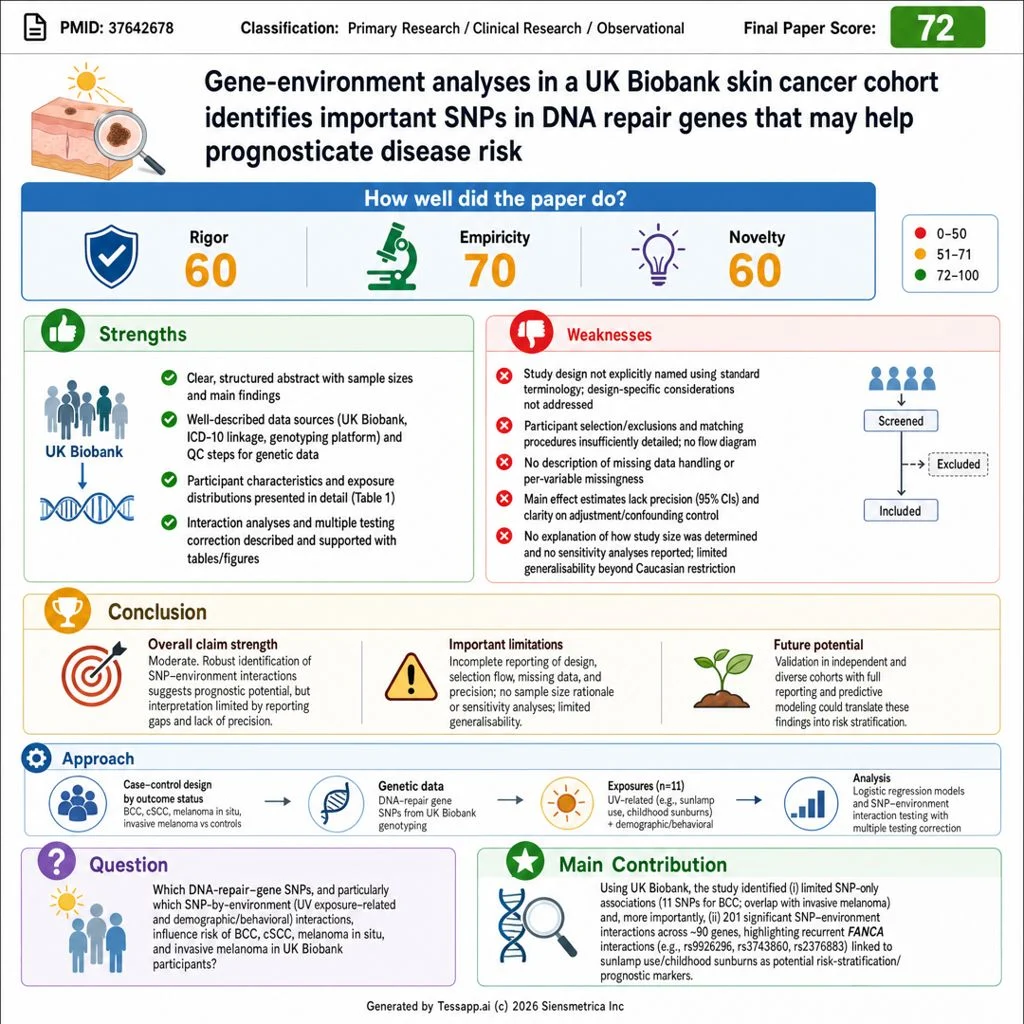
Gene-Environment Analyses in a UK Biobank Skin Cancer Cohort Identifies Important SNPs in DNA Repair Genes That May Help Prognosticate Disease Risk.
How Objective AI Gives Power Back to You
When we built Tessa at Siensmetrica, we wanted to give everyday people the power to spot trustworthy science without needing an advanced degree.
Tessa instantly cuts through the confusion by giving every paper a color-coded Score, so you can tell how solid the research is with just a glance.
But we don’t just hand you a number and expect you to take our word for it. If you’re curious (or skeptical) Tessa reveals the exact evidence behind that score. Nothing is hidden, and there are no black-box secrets. If Tessa gives a study a perfect sub-score for its experimental design, it shows you why: pointing directly to the study’s real-world data, clinical trial setup, and measurement methods.
Scientific researchers love these detailed breakdowns because they reveal the true quality of a study and put doubts to rest. We think regular people deserve that exact same clarity, transparency, and peace of mind. We want to give regular people the power to spot trustworthy science, without needing a medical degree.
The Bottom Line
Sensational headlines will always get clicks, but when bad information pretends to be “science,” it can make people sick. Objective AI gives us the power to cut through the noise, spot cherry-picked data, and get the facts in seconds.
As for the online panic? No, sunscreen doesn’t give you cancer. Please wear it, reapply it, and enjoy the sun safely. Your dermatologist will thank you.
See The Tessa Analysis for Yourself
Interested in how Tessa scored these papers and why? Here are the links to the Summary analysis for both (includes links to the published articles):
Share This →
About the Author: Marc Toth

Recent Posts