One Minute on the Stairs: The Blood Sugar Study Nobody’s Talking About (A Sleeping Beauty)

Tessa found a Sleeping Beauty study
Researchers at San Diego State University asked a simple question: can a single minute of light stair-stepping, done in the evening after eating, blunt the rise in blood sugar that follows a meal? Thirty healthy, non-diabetic adults (43% men, average age 29) took part in a randomized, crossover-controlled trial, meaning each person served as their own comparison. Every participant visited the lab twice in the evening (no earlier than 5 p.m., at least 5 hours after their last meal), and on both visits drank a 75-gram glucose solution, the same drink used in a standard diabetes screening test.
On one visit, participants simply sat for two hours afterward. On the other, they climbed up and down a flight of stairs for one minute, at whatever pace felt comfortable, timed to begin 57 minutes after the glucose drink, right around when blood sugar was expected to peak. Blood sugar was measured repeatedly over the following two hours with a standard fingerstick glucometer.
Noteworthy Findings
A few things make this study worth a second look:
- A single minute mattered. Sixty minutes after the glucose drink, blood sugar had risen an average of 2.5 mmol/L (about 45 mg/dL) in the stair-stepping condition, versus 4.3 mmol/L (about 77 mg/dL) with sitting alone — roughly a 40% smaller rise (P < 0.001).
- The evening made the effect bigger, not smaller. Earlier studies from the same research group found that a one-minute stair break lowers post-meal blood sugar in the morning, after an overnight fast. This study moved the test to the evening, when the body typically handles sugar less efficiently and glucose responses run higher, and found an even larger benefit than the morning studies did. That matters because most people eat their biggest meal at dinner, not breakfast.
- The timing of the benefit lined up with the timing of the exercise. The gap between the two conditions was clear at 60 and 70 minutes, narrowed by 80 minutes, and had essentially disappeared by 90 and 120 minutes. Total glucose exposure over the full two hours (measured as area under the curve) was also modestly lower with stair-stepping. The pattern suggests the timing of a movement break, not just that it happened, shapes how much it helps.
- It didn’t feel like exercise. Participants’ heart rates reached 61% of their estimated maximum during the stair-climbing (moderate effort), yet they rated it just 1.9 out of 10 on a standard perceived-exertion scale, or “very light.” People appear to consistently underestimate how much a quick set of stairs actually does, which may make it an easier habit to stick with than something that feels like a workout.
- It’s a “sleeping beauty.” For a finding with real, practical relevance to how millions of people manage blood sugar day to day, this study has attracted very little public attention — which is exactly why we chose it for this spotlight.
Tessa Overall Score
TScore: 77 / 100 🟢 Green
A green score reflects solid, trustworthy research with a few areas that fall short of exemplary reporting — described in detail below. Notably, this paper’s Media Score of just 35/100 is what earns it “sleeping beauty” status: Tessa’s Media Score tracks how much a topic is being discussed in the news and on social media, and this one has seen very little coverage relative to how useful its finding is.
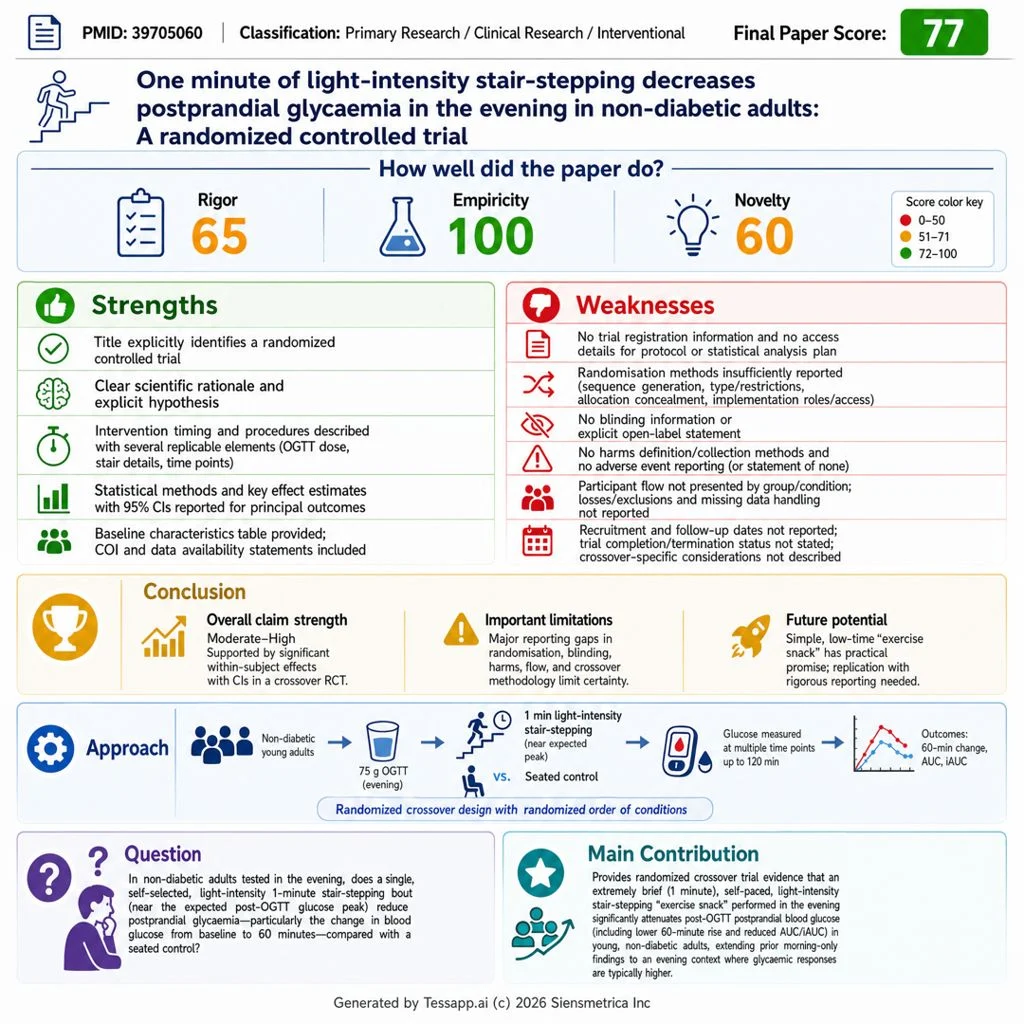
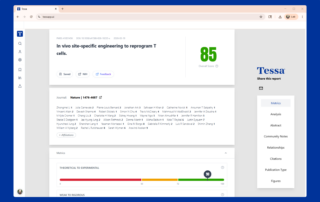
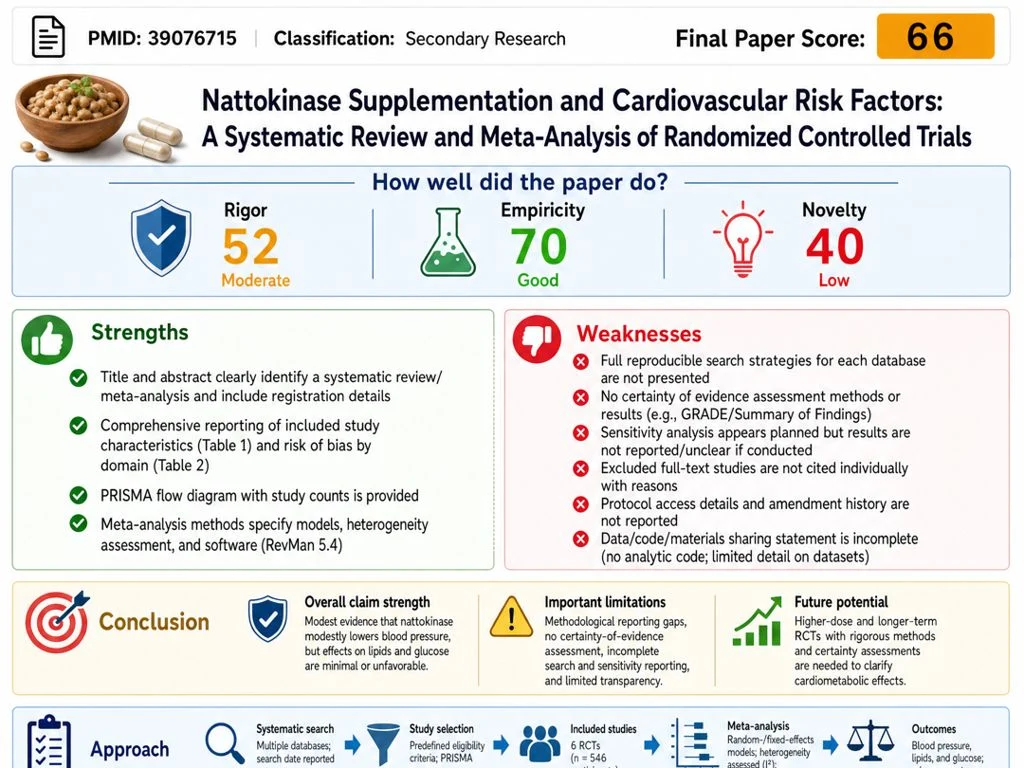
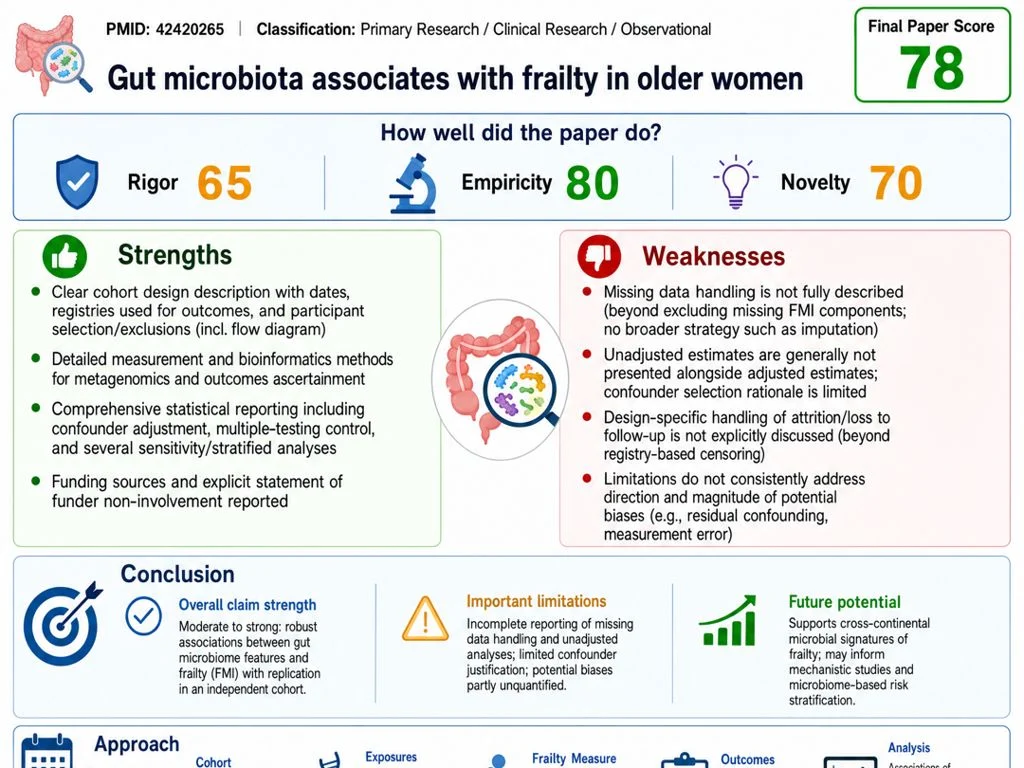
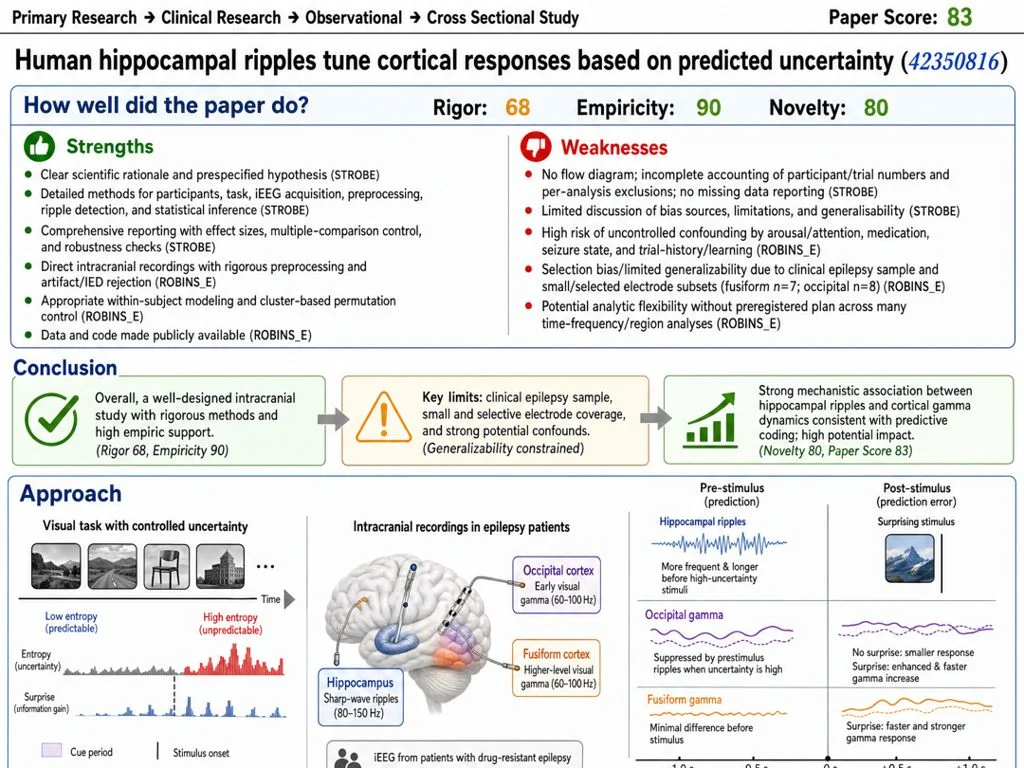
Tessa’s Graphical Analysis of the paper
Tessa Analysis Breakdown
Tessa evaluates every paper across three main pillars — Transparency, Explainability and Significance (T.E.S.) — broken into five weighted sub-scores:
| Category | Score | What it means |
|---|---|---|
| Theoretical vs. Experimental | 100 | Real human data from an actual trial, not modeling or theory. |
| Weak to Rigorous | 65 | Solid crossover design, but gaps in how some methods were reported. |
| Known to Novel | 60 | Builds on earlier morning-only findings; the evening angle is the new part. |
| Journal Score | 100 | Published in Experimental Physiology, the official journal of The Physiological Society. |
| Media Score | 35 | Barely covered online — this is the “sleeping beauty” part of the story. |
Tessa’s Deep Dive also checked the paper’s reporting against two established evaluation frameworks used for randomized trials:
| Protocol | Focus Area | Result |
|---|---|---|
| CONSORT v2025 | Reporting completeness | 52% complete. Strong on rationale, intervention details and key statistics; gaps in trial registration, randomization/allocation details, blinding, and adverse-event reporting. |
| RoB 2 | Risk of bias | Medium-High. Driven mainly by unreported randomization/allocation details and the absence of a pre-registered analysis plan. Missing outcome data was low — all 30 participants completed both visits. |
Strengths
- A genuine randomized, crossover trial — each participant acted as their own control, which is one of the strongest designs available for a same-day, single-session effect like this.
- An objective outcome (repeated fingerstick glucose readings, averaged in line with ISO reproducibility standards), not a self-reported one.
- Zero dropouts — all 30 participants completed both visits, so missing data isn’t a concern.
- Published in Experimental Physiology, the official journal of The Physiological Society, reflected in a perfect 100/100 Journal Score.
- Tessa’s citation check verified 40 of the paper’s 42 references (95%) as real, existing publications, and rated 90% of citations in context as good-to-excellent for relevance.
Weaknesses
- No trial registration or published protocol, so it isn’t possible to confirm the analysis plan was locked in before the results were seen.
- The paper doesn’t describe how participants were randomly assigned to visit order or whether that assignment was concealed from staff.
- No blinding was used or described — largely unavoidable, since participants obviously know whether they’re climbing stairs or sitting, but still a limitation of the design.
- The sample was small, young and healthy (30 adults, average age 29). It’s not yet known whether the same one-minute effect holds for older adults or people with prediabetes or diabetes.
- Blood sugar was measured with a fingerstick glucometer rather than a laboratory blood draw or continuous glucose monitor.
Read Tessa’s full summary analysis of this paper, including the author and institution relationship map, citation timeline, and figure gallery, at www.tessapp.ai/report/39705060.
Hat Tip to @WilliamWallace for bringing this to our attention.
Share This →
About the Author: Sage Osterfeld

Research Spotlight


Recent Posts