Did Scientists Discover a “Hidden Switch” That Shuts Down Inflammation?
A new study published in Nature Communications looked at how the body handles inflammation—the immune system’s natural response to injury or infection. Researchers tested a drug compound (GSK2256294) on healthy volunteers who were given a mild, controlled skin challenge to see how their bodies naturally resolved the issue.
The team wanted to see if blocking a specific protein in the body could change how key white blood cells behave during recovery. They discovered that the drug increased a specific natural lipid (a type of fat molecule), which stopped certain inflammatory immune cells from maturing and spreading.
When we ran the ScienceDaily article covering this research (“Scientists discover a hidden switch that shuts down inflammation”) through our new Tessa Newslink beta, Tessa flagged that the reporting overstated the findings. Out of seven claims made by the news media piece, only two were fully supported by the paper, three were overstated, and two were not covered by the study at all.
Noteworthy Findings
While headlines framed this discovery as a “hidden switch that shuts down inflammation,” the empirical human data paints a much more nuanced picture:
- No Effect on Primary Signs of Inflammation: sEH inhibition had zero effect on local heat, redness, or swelling. It only accelerated the resolution of pain.
- Specific Immune Cell Tuning: Instead of shutting down the entire inflammatory process, the mechanism specifically alters monocyte subset differentiation (reducing circulating and tissue intermediate monocytes) and subsequently lowers tissue CD4 T-cell presence.
- Controlled Experimental Scope: The human trial was conducted on healthy volunteers in a non-randomized, non-placebo-controlled model of acute skin inflammation. Broad claims of a universal “off-switch” for chronic inflammatory diseases outrun the current experimental evidence.
Tessa Overall Score
TScore: 76 / 100 🟢 Green
While the ScienceDaily article overstated the findings of the paper, the paper itself was very good. A green score reflects solid, trustworthy research with just a few areas that fall short of exemplary reporting. Those are described in detail below.
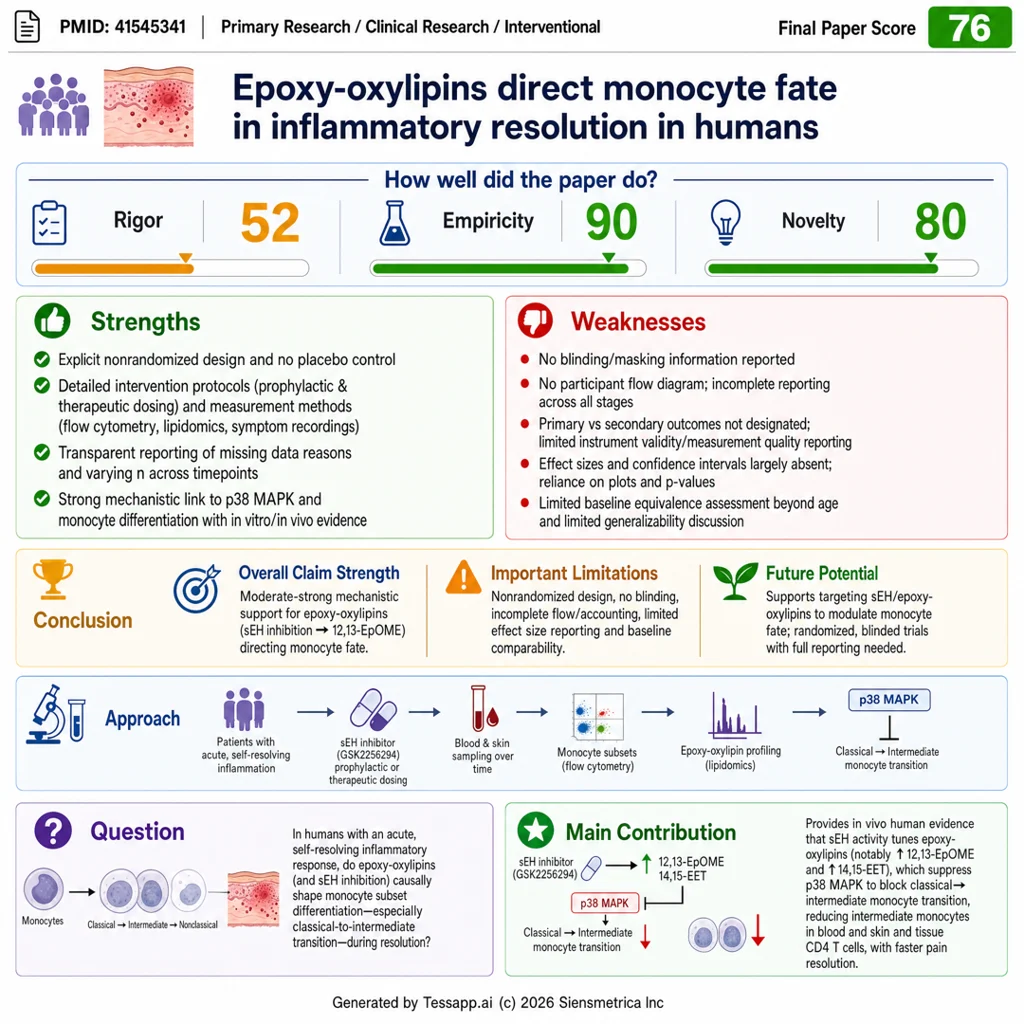
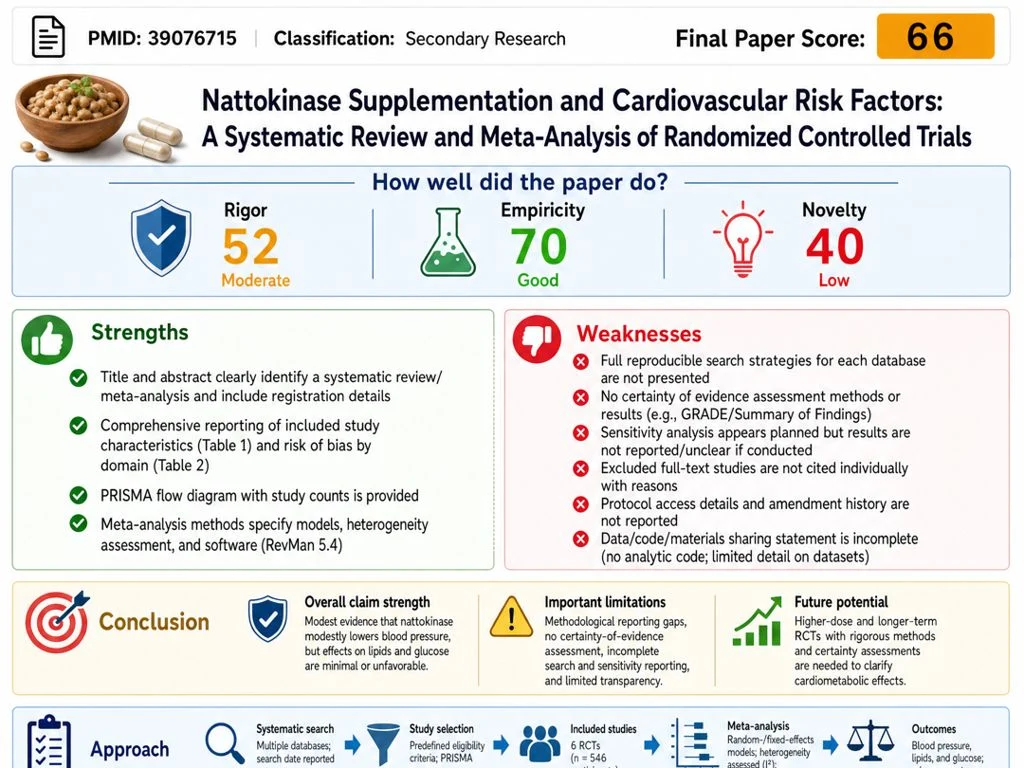
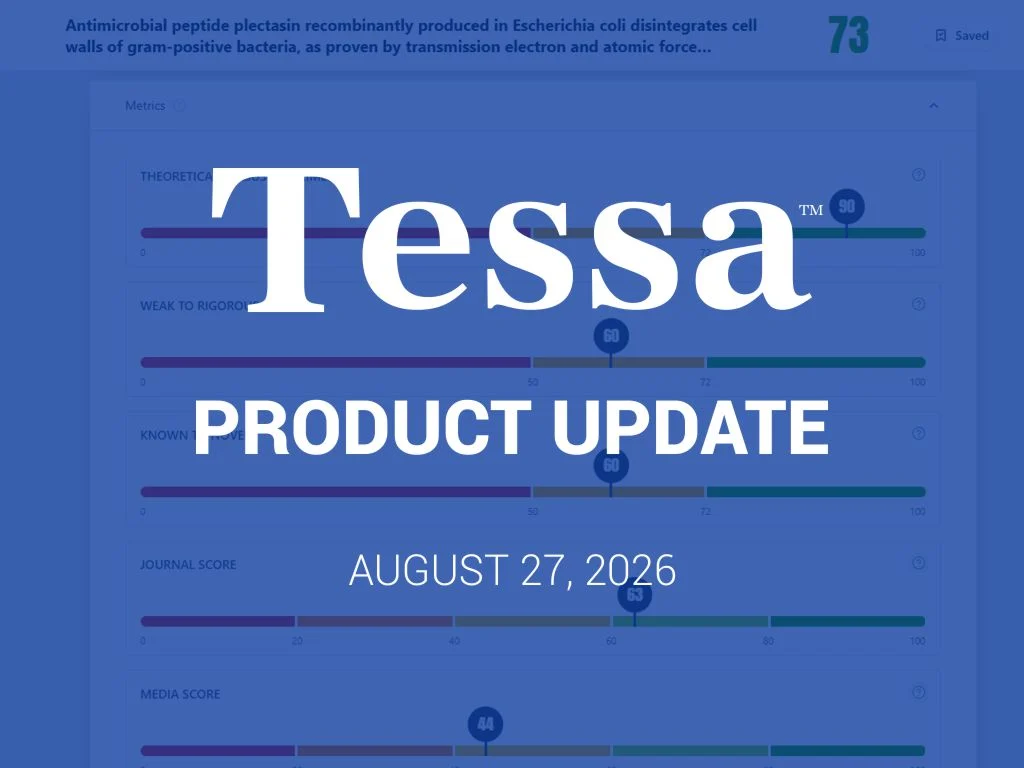
A graphical representation of Tessa's analysis of Epoxy-oxylipins direct monocyte fate in inflammatory resolution in humans.
- Theoretical vs. Experimental: 90 (Strongly empirical, human in vivo interventional study)
- Weak to Rigorous: 52 (Solid primary monocyte/lipid endpoints, but weakened by non-randomized design, lack of placebo, and small sample sizes for secondary downstream T-cell assays)
- Known to Novel: 80 (High conceptual novelty in linking 12,13-EpOME and p38 MAPK directly to human monocyte fate)
- Journal Score: 100 (Nature Communications)
- Media Score: 37 (Reflects moderate interest by mainstream media coverage relative to the paper's actual data)
Tessa Analysis Breakdown
Research Question
In humans undergoing an acute inflammatory response, do CYP-derived epoxy-oxylipins and pharmacologic sEH inhibition causally direct monocyte differentiation during resolution?
Core Contribution
The study provides in vivo human proof that sEH inhibition elevates 12,13-EpOME, which downregulates p38 MAPK signaling. This specific pathway prevents classical monocytes from maturing into intermediate monocytes, reducing intermediate monocyte accumulation in both blood and inflamed skin without broadly shutting down clinical inflammation.
Key Methodological Strengths & Limitations
- Strengths: Strong translational design using human biospecimens (serial blood, blister exudate, skin biopsies); robust pharmacodynamic confirmation via mass spectrometry lipidomics; mechanistic validation using parallel in vitro assays and in vivo p38 inhibition (losmapimod).
- Limitations: Non-randomized trial design without a placebo control arm; small sample sizes ($n \approx 8\text12$) for secondary immunological subsets; reporting gaps in formal trial registration and pre-specified primary endpoints.
Read Tessa's full summary analysis of this paper, including the author and institution relationship map, citation timeline, and figure gallery, at https://www.tessapp.ai/report/41545341
Share This →
About the Author: Sage Osterfeld

Research Spotlight



Recent Posts